Before the word "salsa"
Long before anyone called it salsa, the music was already being assembled — in Cuban solares, Puerto Rican plazas, and Harlem ballrooms. Salsa's core ingredients come from Afro-Cuban musical traditions: the clave pattern that anchors almost every salsa song, the call-and-response vocals inherited from West African music, and the blended instrumentation of son cubano, which paired guitars and tres with percussion like bongó, conga, and timbales. In the 1940s and 50s, mambo and cha-cha-chá turned those traditions into dance-floor music that traveled well beyond Havana, especially to Mexico City and New York.
The New York laboratory
New York in the 1960s was the laboratory where "salsa," as a commercial genre, got its name. Puerto Rican migration to the city after World War II created neighborhoods — the South Bronx, East Harlem, Spanish Harlem — where Cuban, Puerto Rican, and Dominican musicians played for, and alongside, Black American jazz and R&B communities. Venues like the Palladium Ballroom, the Cheetah, and later the Corso kept the dance traditions alive even after U.S. relations with Cuba froze and the direct flow of new Cuban recordings slowed.
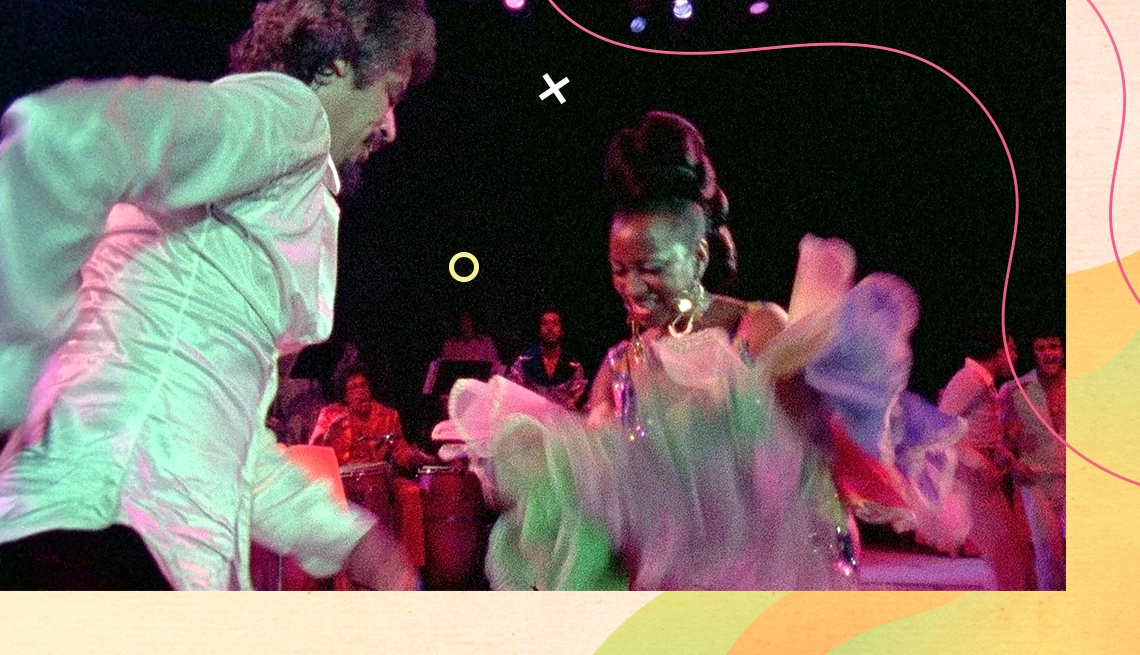
What made New York salsa distinctive was the sound of that blending. Musicians like Eddie Palmieri experimented with trombones in place of the more typical trumpets, giving the music a grittier, brassier edge. Willie Colón and Héctor Lavoe layered streetwise lyrics about life in the barrio onto Afro-Cuban rhythms. Celia Cruz, already a star in pre-revolutionary Cuba, moved to the U.S. and found a second career as the undisputed "Queen of Salsa," bringing a full-throated, improvisational vocal style that generations of singers still study.
Fania and the genre label
The label Fania Records, founded in 1964, is a big part of why we use the single word "salsa" today. Fania's artist roster — Rubén Blades, Ray Barretto, Johnny Pacheco, Larry Harlow, Bobby Valentín, and many more — toured and recorded together as the Fania All-Stars, and the label marketed their eclectic mix of guaracha, mambo, son montuno, and bomba under the unifying umbrella of "salsa." The word itself is slang — "sauce," something spicy — and it was as much a marketing choice as a musical description. But it stuck, because it captured how the music actually worked: a blend, seasoned by whoever happened to be cooking that night.
Puerto Rico, the Caribbean, and beyond
While New York gets most of the credit for naming salsa, Puerto Rico was never just a waypoint. Puerto Rican musicians were central from the beginning, and by the 1970s the island had its own booming salsa scene — from the dura ("hard") street sound of Cortijo y su Combo to the polished orchestrations of El Gran Combo de Puerto Rico, which is still performing half a century later. Venezuelan salsa dura ("Oscar D'León"), Colombian salsa from Cali — which eventually developed its own breakneck, footwork-driven dance style — and Panamanian salsa each added their own accents.
In the 1980s and 90s the music softened for mainstream radio into salsa romántica, with singers like Frankie Ruiz and Eddie Santiago putting ballad-style love lyrics over polished arrangements. Purists grumbled. The dance kept moving.
The dance, as a family of dialects
The dance we now loosely call "salsa" is really a family of regional dialects, all built on the same eight-count. Most variations break the count so that the dancers step on six of the eight beats, pausing on two.
- Cuban-style (Casino) is danced in a circle, often with many turn patterns that echo Afro-Cuban folkloric dances. When danced in a group-circle format it's called Rueda de Casino, where a caller shouts turn names and couples execute them in unison.
- New York (On 2, or "mambo style") breaks on the second beat and has a smoother, more elongated feel. It was codified in New York dance studios in the late 20th century, and its most visible popularizers drew directly on mambo lineage from the Palladium era.
- LA style (On 1) breaks on the first beat, is typically flashier and more performance-oriented, and is the style most commonly taught in studios outside Latin America.
- Cali (Colombian) style uses quick, low, percussive footwork with less of the hip and body movement characteristic of other styles. Cali, Colombia, considers itself the world capital of salsa dance, and the city's yearly festivals and schools make a strong case.
- Casino Rueda and Cuban styles generally keep much of the Afro-Cuban body movement (cuerpo libre, isolations, and footwork patterns like guapea and dile que no), which gives them a softer, rounder look compared to the sharper LA style.
What the dance carries
Salsa is a dance that carries history in its steps. The clave pattern is African. The son is Cuban. The trombones and attitude are New York. The big, layered piano montunos are Palmieri. The show-stopping spins are Los Angeles. The deep knees and fast, low footwork are Cali. Every time two people close into a partnership frame and start to move on the one or on the two, they're rehearsing a conversation between the continents, islands, cities, and generations that made this music possible.
That's why learning salsa never feels like learning a single dance. It feels like being introduced to a family.
At LiveYourChi, we teach a blend that leans into the social, musical listening side of salsa — meeting the music where it lives, and using the body to answer it. If you're new, start with a class. If you've been dancing a while and want to deepen your connection to the rhythm and the history behind it, join us for a workshop.